The noise under the pavement at Washington and Mason is not traffic. It is steel rope, miles of it, moving in a continuous loop beneath the hills, hauled by four motors in a room you can walk into for free, no ticket, any day but Monday. San Francisco has exactly one moving National Historic Landmark, and it still moves on a nineteenth-century idea nobody has managed to improve on.
Most visitors ride a cable car the way they would ride a fairground attraction: queue at the bottom of Powell, stand on the running board, take the photograph, get off. That version is fine, but it skips the story. What you are standing on is working Victorian civil engineering, kept alive by mechanics, gripmen and one stubborn nonprofit, and it is the most San Francisco thing in San Francisco. Spend a day following the machine instead of the postcard and the city rearranges itself around you.
The powerhouse comes before the queue
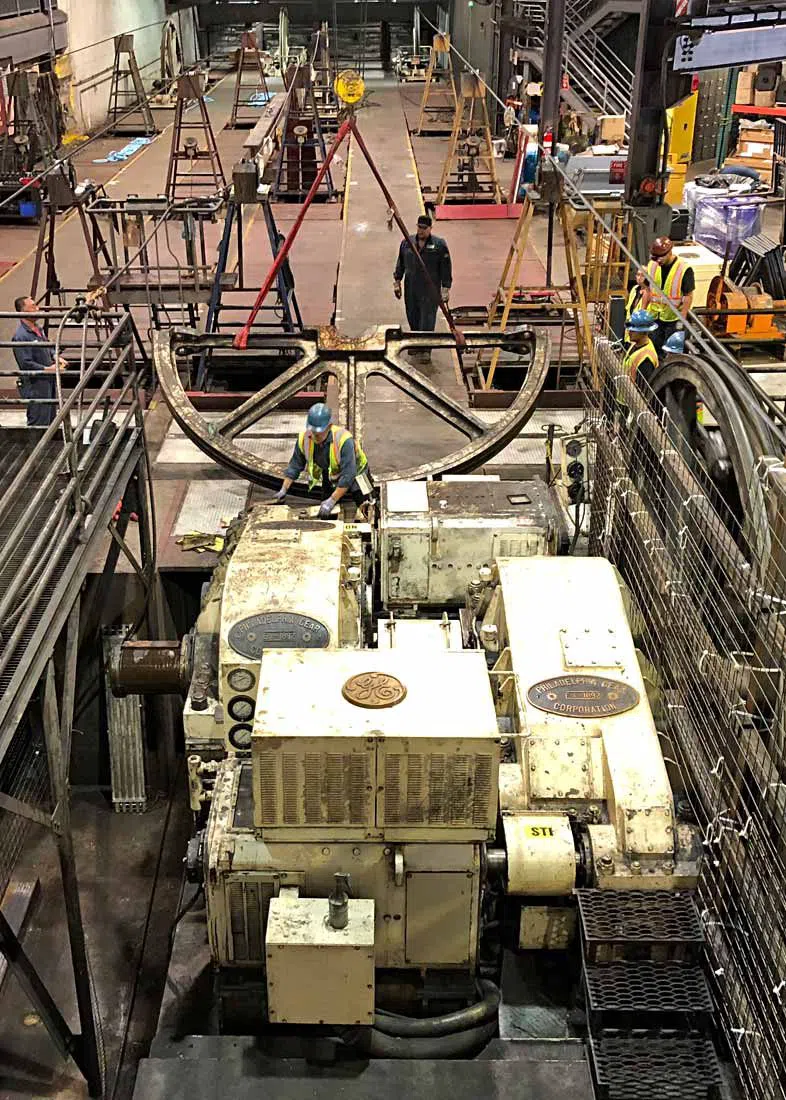
Go first to the San Francisco Cable Car Museum (Nob Hill, at Washington and Mason), because nothing else makes sense until you have seen what is inside that building. It is a working powerhouse with a museum wrapped around it. From a narrow mezzanine you look down onto four independent 510 hp motors, one per cable, and all three surviving lines are driven from this single room. The cables come in off the street through channels in the floor, run round the winding wheels, and go straight back out under the hills. There is nowhere else on earth you can stand inside a live cable-car engine room.
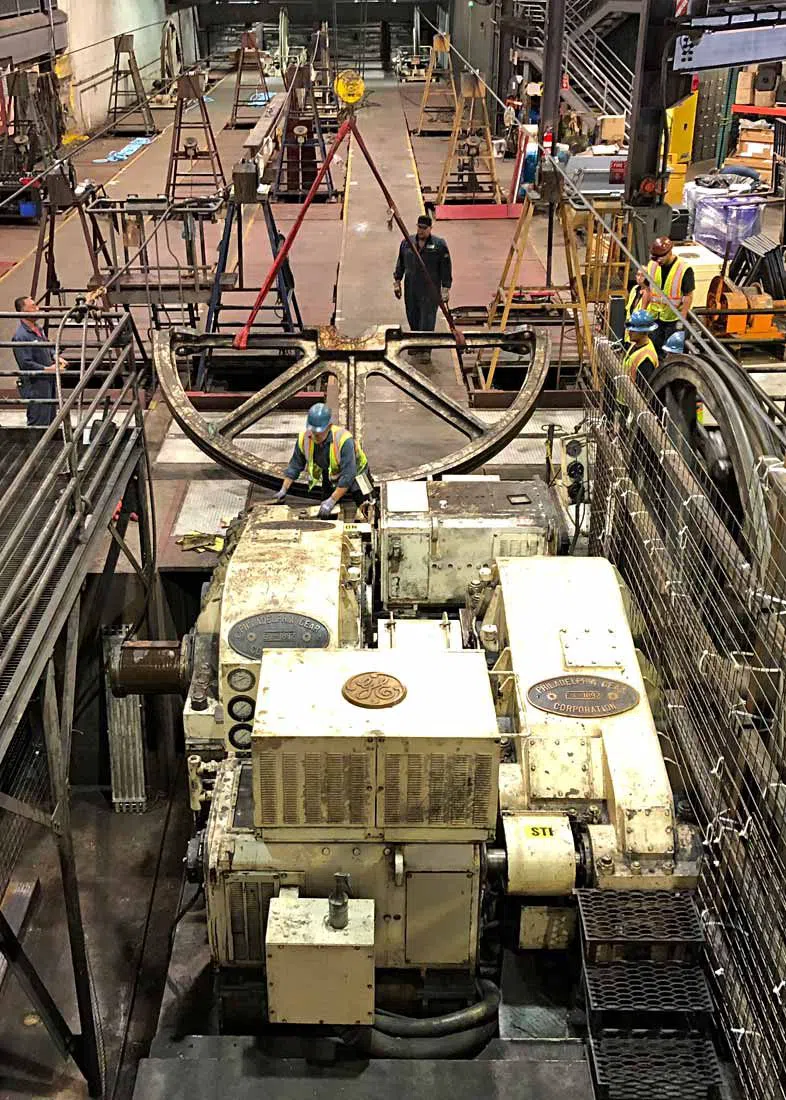
Afterwards you understand the thing the ride itself never explains: the cars have no engine. The cable moves at a constant speed, always, in one direction, and the gripman's job is to reach down through the slot and clamp onto it, or let go. Every start, every stop, every hill is that one decision, made by hand, hundreds of times a shift. Once you know that, you can hear exactly what an approaching car is doing.
Entry is free, with a donation box and a gift shop better than it needs to be. Hours are Tuesday to Thursday 10am to 4pm and Friday to Sunday 10am to 5pm, closed Mondays, walk-in, no tickets. School and tour groups are welcome, but the viewing gallery is a genuinely narrow mezzanine, and a party of twenty arriving together will see the backs of each other's heads. Stagger your entry in batches of five or six and give people fifteen minutes each.
Three turntables and three very different waits
The Powell lines use single-ended cars, which means they have no reverse. At each terminus a human being physically pushes the car around on a turntable. This is the whole system in miniature, and it is free to watch.
Powell & Market Cable Car Turnaround (Hallidie Plaza, at the foot of Powell where it meets Market) is the famous one and the worst one. The queue is strictly first-come and runs 45 to 60 minutes in summer; buskers work the line, which tells you how long people stand there. A single ride is $9, bought before boarding at the booth between 8am and 8pm, with a $4 senior and disabled fare off-peak. Come here to watch the turntable and read the plaque (the plaza is named for Andrew Hallidie, who invented the entire system in 1873), then walk away and board somewhere else. Groups of more than six should split up or board mid-route, where cars pick up as space allows.
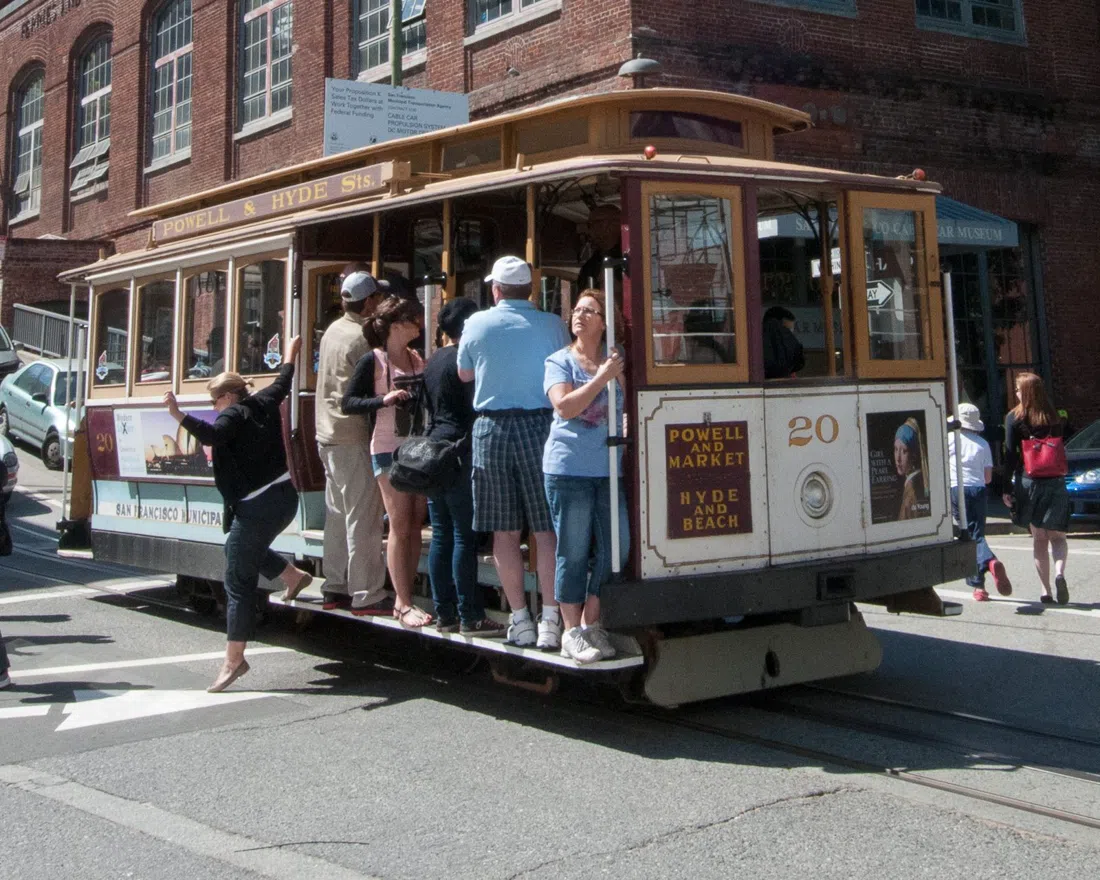
Hyde & Beach Cable Car Turnaround (Aquatic Park, at the bottom of the Powell–Hyde line) is the best-framed turntable in the city and the one to watch if you only watch one. The car comes down a 21% grade with the bay dead ahead, the brakes and the grip working audibly against the hill, and then gets shoved around the plate by hand. Downhill braking is where you hear the machinery fight hardest. The boarding queue here is usually shorter than Powell's, it is an open street corner with no capacity limit for spectators, and it costs nothing to stand there for twenty minutes.
Bay & Taylor Cable Car Turnaround (a few blocks off Fisherman's Wharf, at the north end of the Powell–Mason line) is the practical answer for anyone travelling in a group. It has the shortest wait of the three Powell-line terminals by a clear margin, and crews can generally load a party of ten to fifteen onto one car. That is the locals' trick: the north end of the Powell–Mason line sees a fraction of Powell & Market's crowd, so you board first, get a choice of position, and can stand where the gripman is actually visible. If you have one ride in you, spend it here and watch the hands rather than the view.
The line the postcards forgot
The California Street Cable Car Line (Line 61, running from the Financial District over Nob Hill) is the oldest surviving line, dating to 1878, and mechanically a different animal from the Powell cars. These are double-ended: they reverse rather than being turned, which is why California Street has no turntable at either end. There are no reservations, and on a weekday midday a group of ten will simply walk on. It is the least-crowded line by a wide margin.
Ride it for the mechanics rather than the scenery. You sit lower, the cars feel heavier, and the climb over Nob Hill is the clearest demonstration of what a constant-speed cable does to a gradient. One caution that matters for planning: SFMTA's budget deficit has this line named in cut proposals, so check whether it is running before you build a day around it. The cable cars have survived closure attempts before, and the current round is real.
Where the grade explains itself
Get off the Powell–Hyde car at Hyde and Lombard and walk to the crooked block of Lombard Street (Russian Hill, between Hyde and Leavenworth). The flowerbeds are not the point. The cable car holds the hill straight while the cars below have to zigzag through eight switchbacks to survive it. Stand at the top for two minutes and the grip suddenly makes sense as an engineering answer rather than a curiosity.
It is free and unrestricted on foot at any group size; the proposed booking-and-fee scheme was vetoed and never took effect. The stairs down either side are steep and unforgiving on knees. It is busiest from 10am to 4pm, so go early. At eight in the morning you will share it with delivery vans and residents who have long since stopped noticing.
Hallidie's other city
Almost nobody connects the man to the rest of his life. The Mechanics' Institute (Financial District, a short walk from Montgomery Street) is a working members' library founded to educate tradespeople, and Andrew Hallidie was its trustee and president for forty years. There is a free public tour every Wednesday at noon, leaving from the lobby; groups should book ahead through the Institute's tour listing. Full use of the library needs membership, but the tour is open to anyone and the staff are unhurried about questions. It is what joins this whole story together, and it costs nothing.

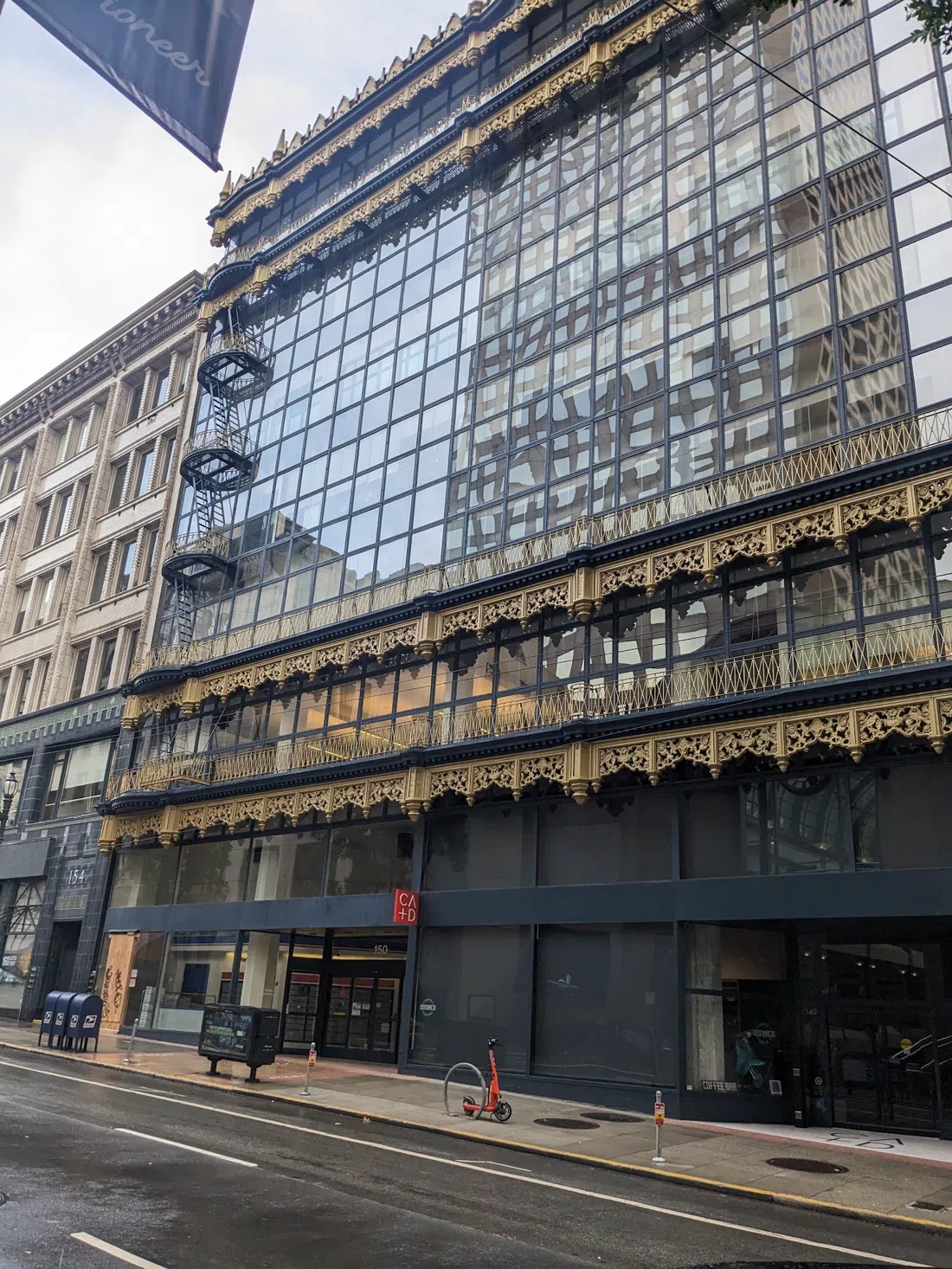
Two minutes away, the Hallidie Building (Financial District, on Sutter Street) carries his name on America's first true glass curtain wall, restored in 2013 and best seen in late-afternoon light when the whole façade goes to mirror. The offices inside are private, so this is a pavement stop, which makes it fine for any size of group. Pair the two into a single short Hallidie detour of about forty-five minutes.
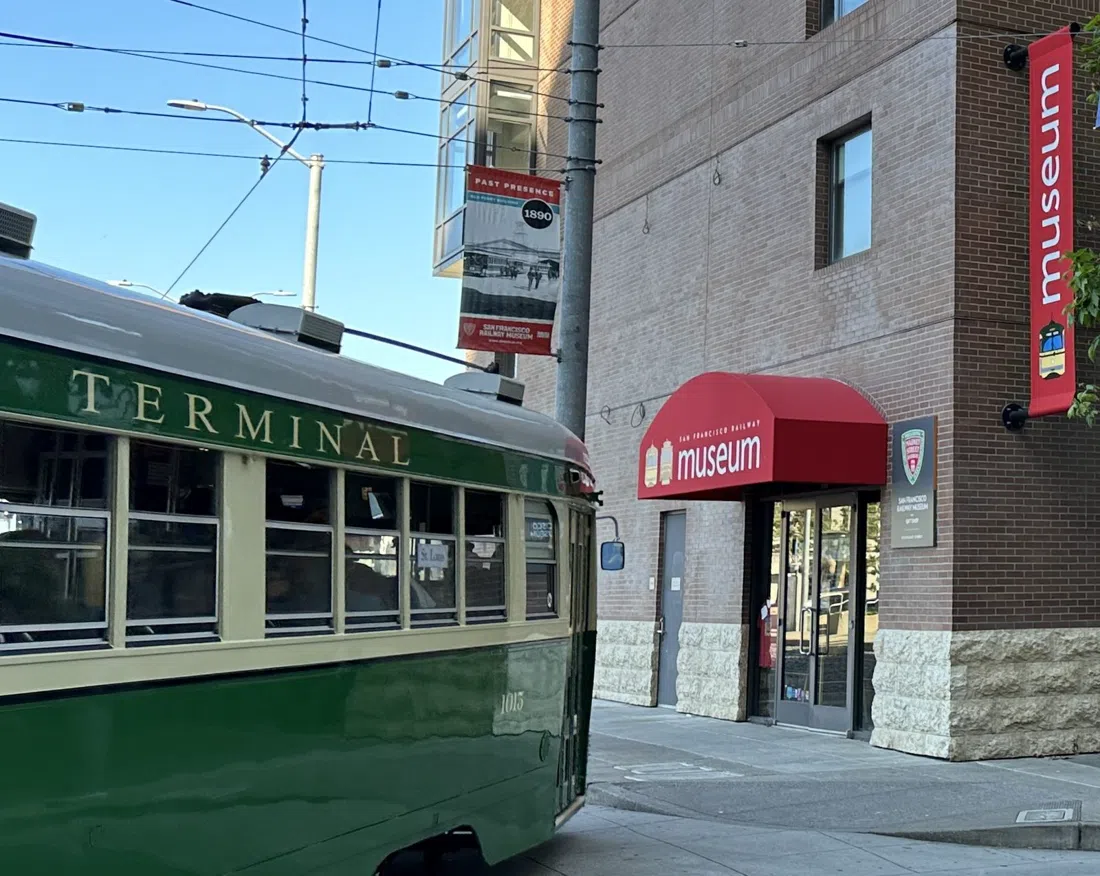
For the maintenance side of the story, the San Francisco Railway Museum & Gift Shop (Embarcadero, on the F-line tracks) is the single best source in the city. It is free, open Tuesday to Sunday from midday to 5pm, and run by the Market Street Railway nonprofit that fought to save both the cable cars and the historic streetcars from being scrapped. The archive is serious and the volunteers on the desk will tell you things no plaque does. The room is small, so groups over ten should arrive in waves.
Two more machines that still run
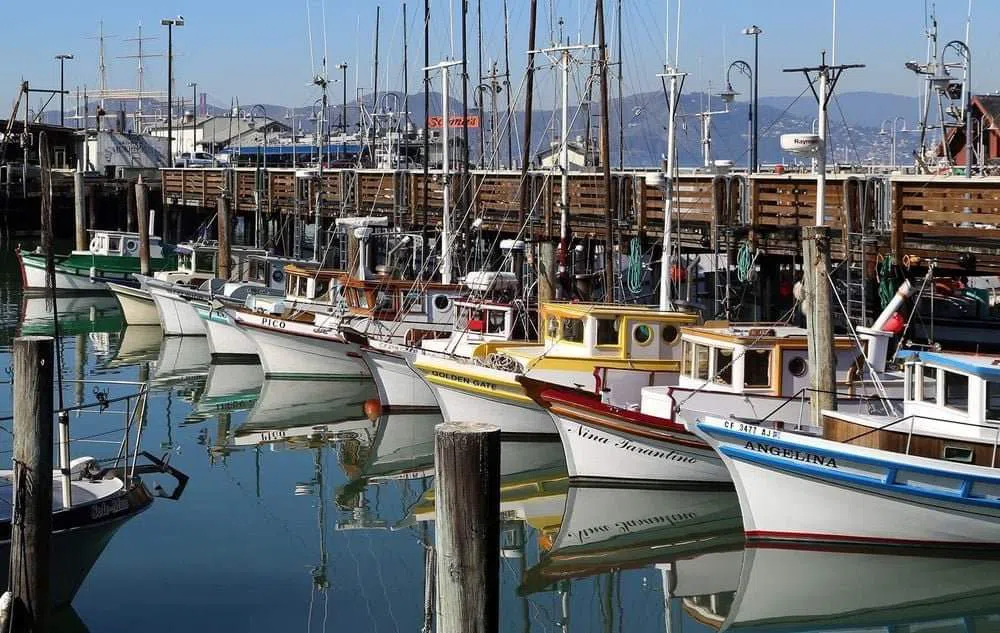
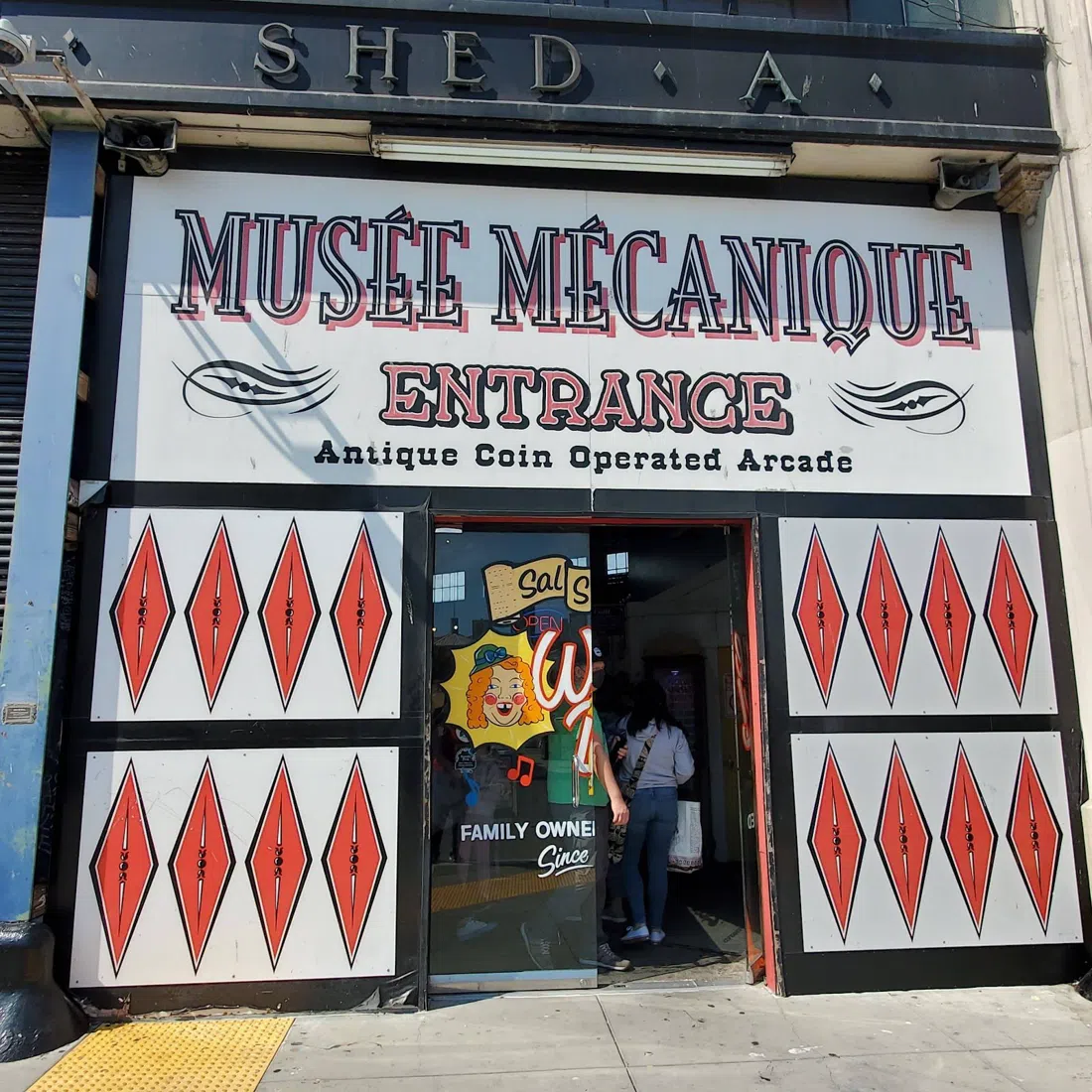
Ten minutes' walk from the Hyde turntable, Musée Mécanique (Fisherman's Wharf) is the city's other great argument for Victorian machinery that has never been switched off. Entry is free, it opens daily 10am to 8pm, 365 days a year, and everything is hands-on: the machines take coins of $0.25 to $1 and the collection has been family-owned since 1933. Bring a bag of quarters, because the coins are the admission. Large groups are genuinely fine here, and thematically it is the perfect second stop after the powerhouse.
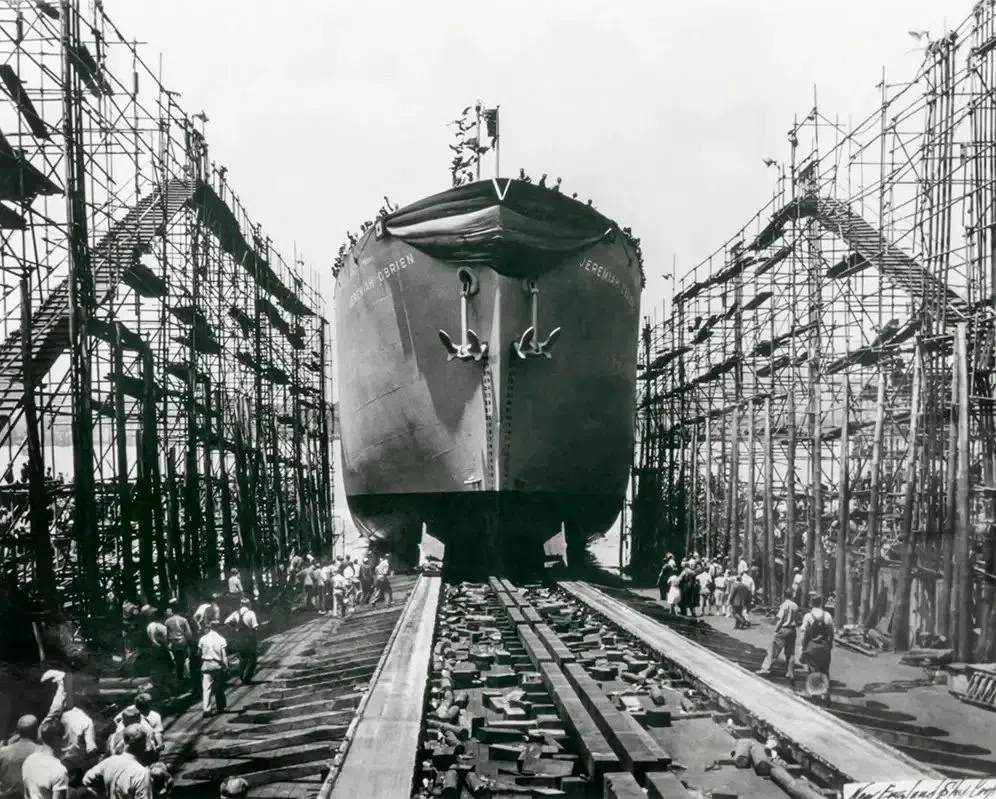
At the other end of the F-line's world, the SS Jeremiah O'Brien makes the same case in iron and steam. Self-guided visits run daily from 10am to 4pm at around $20 for an adult, and the engine room, the one used to film Titanic's engines, is the reason to go. It has steamed under its own power, which puts it in exactly the same category as the cable cars: preserved by operating rather than by display. Group tours and charters are bookable, and the ship accommodates whole-ship events.
Drinking within earshot of the cables
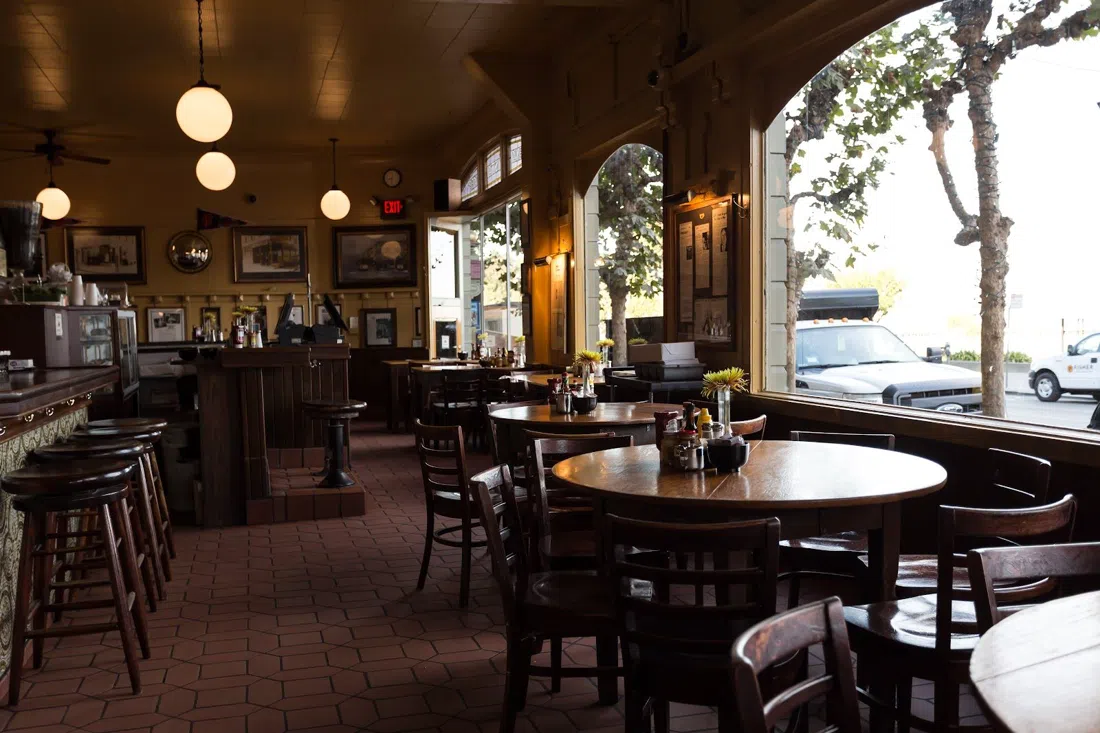
Buena Vista Cafe (Aquatic Park, on Hyde at Beach) brought Irish coffee to America in 1952 and pours up to 2,000 a day, which should be a warning and somehow isn't. Its real value to this story is the window seat: you sit with a glass of it and watch crews turn cars by hand across the street. There are no reservations, the tables are communal, and it is strictly first-come, so big groups get seated in pieces. Accept that, or call 415-474-5044 for anything over a dozen. Irish coffee runs about $12 to $14, mains $15 to $25.
Up on Nob Hill, Top of the Mark at the InterContinental Mark Hopkins sits at the crossing of the Powell and California lines, and you can hear the cables under the street on your way in. The hotel turns 100 in 2026 and has revived its 100-Martini passport menu for the occasion. Cocktails land around $22 to $28, reservations are strongly advised, and the hotel's events team handles private and semi-private group bookings. By temperament it is a room for couples and small parties.
One block from the powerhouse at 950 Mason, the Tonga Room & Hurricane Bar at the Fairmont is another improbable working machine: a converted swimming pool with weather on a timer. It is explicitly group-friendly, with a dedicated enquiry process for parties of ten or more and full buy-outs available. Reservations are essential, Wednesday to Saturday from 5pm, with cocktails around $20 to $25 and food built to share. Check their channels before you travel, because it does get taken over for private events.
Having a car to yourselves
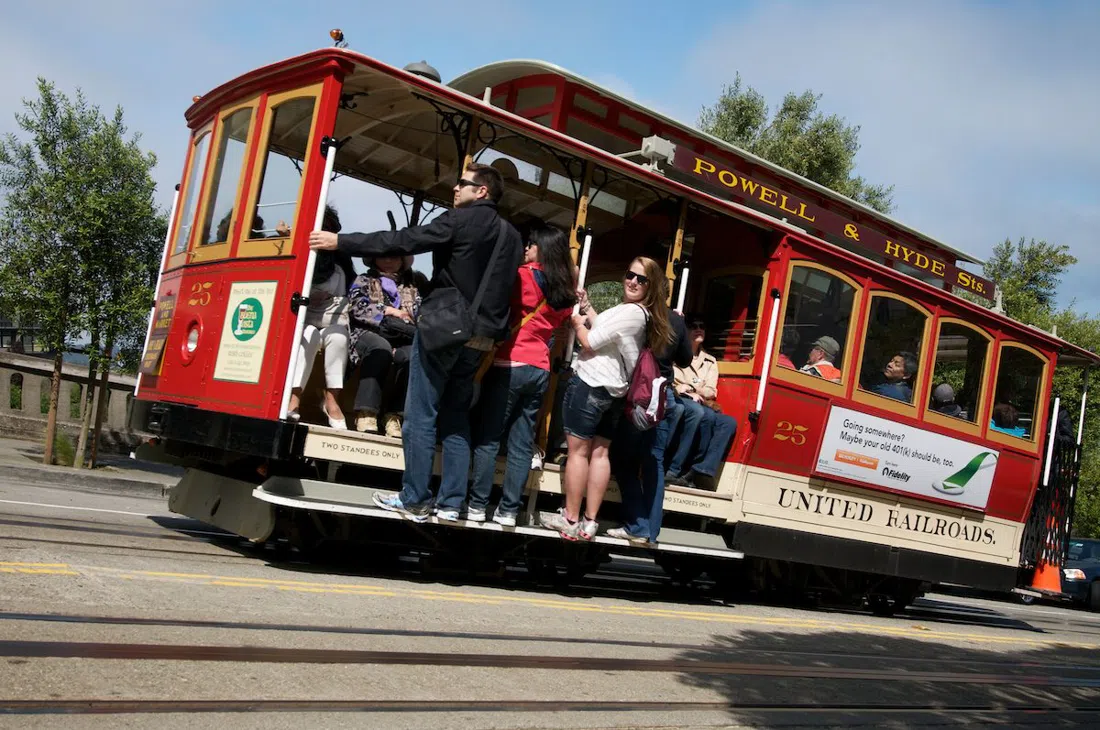
The SFMTA Cable Car Charter is the only legitimate way to get a real cable car for a private group: up to 40 passengers, two-hour minimum, $958 for the two hours and $479 for each additional hour. From 1 April 2026 slots are allocated by monthly lottery, with just one cable-car charter per week city-wide, a maximum of two per requester per year, and none at all in June 2026. Plan absurdly far ahead, pay ten days in advance, and brief your party on two hard realities: no food or drink aboard cable cars (the historic streetcars allow it) and no bathroom stops.
The weekend that outranks everything else here
If your dates are flexible at all, aim for Muni Heritage Weekend, which falls on 19 and 20 September in 2026, 10am to 4pm both days. It is free, including the rides, with no tickets and no group limit, and it is the one weekend a year the fleet's museum pieces are put back into service rather than parked. Cars that normally sit behind glass carry passengers. If your trip lands on it, reorder everything else on this list around it.
Practical notes
A single cable-car ride is $9, bought before boarding, and the booth at Powell and Market sells from 8am to 8pm. Seniors and disabled riders pay $4 off-peak. If you plan to ride more than twice in a day, price up a day pass before you buy singles. Board at Bay & Taylor or Hyde & Beach rather than Powell and you will save the better part of an hour.
Carry coins. Musée Mécanique runs entirely on $0.25 to $1 pieces, and a card will get you nowhere in that room. Everywhere else on this list takes cards.
A genuinely free day is possible: the powerhouse, the Railway Museum, entry to Musée Mécanique, the Wednesday noon tour at the Mechanics' Institute, the Hallidie Building façade, Lombard Street and all three turntables cost nothing between them. Add $9 for one ride, $20 for the ship, and one Irish coffee, and you are still under $60 for a full day.
Timing: powerhouse first thing after it opens, turntables mid-morning, the Hallidie downtown pair around a Wednesday noon if you can, the Wharf machines in the afternoon, Nob Hill for the evening drink. Lombard before 10am. The powerhouse and the Railway Museum both close on Mondays, so plan a Tuesday to Sunday.
Stay on or just under Nob Hill and the whole itinerary is walkable with the cables doing the climbing. Compare rates and locations with a San Francisco hotel search before you commit to the Wharf, which is convenient for three of these stops and dull for everything else. For the rest of the city around this route, start with our San Francisco guide.