South of Market doesn't announce itself the way some neighbourhoods do — there's no single postcard corner that tells you where you are. Instead it reveals itself in blocks: convention-hall glass gives way to warehouse brick, a three-Michelin-star dining room sits a short walk from a leather bar older than the freeway overhead, and by 2am the fog rolling off the Bay is the only thing still moving. This is the guide for reading those blocks in the right order, rather than wandering into the wrong one at the wrong hour.
Where SOMA Starts: The Museum Block
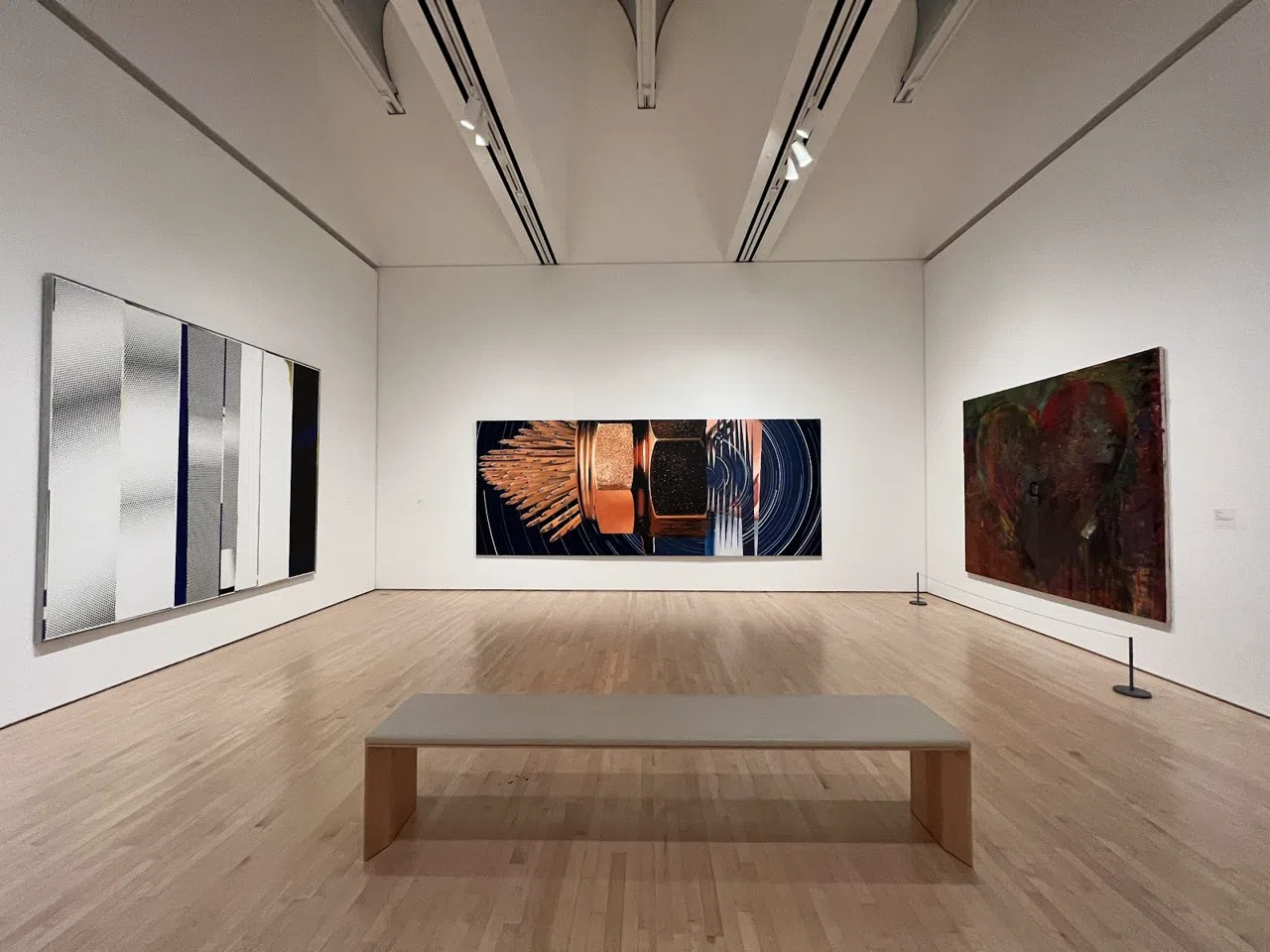
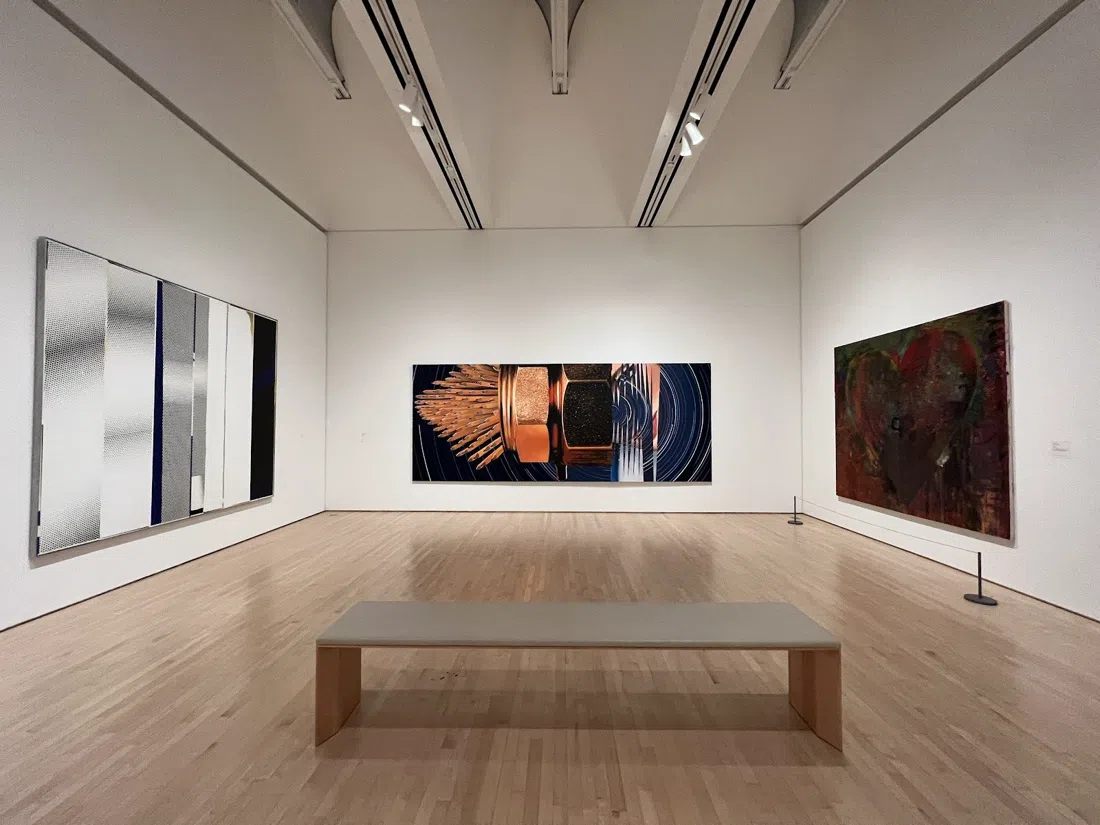
Most visits to South of Market begin the same way, and there's a good reason for it. SFMOMA (San Francisco Museum of Modern Art), on the neighbourhood's Third Street museum block, is the anchor of the whole area — start here before the streets split into convention-hall calm to the north and Folsom Street noise to the south. It's closed Wednesdays, but Thursday evenings the museum stays open until 8pm, which is the better time to see it if you'd rather look at the collection lit at dusk than fight the daytime crowds. General admission runs $25-30, and if you're bringing six or more people, book timed tickets in advance rather than turning up and hoping the desk can seat you.
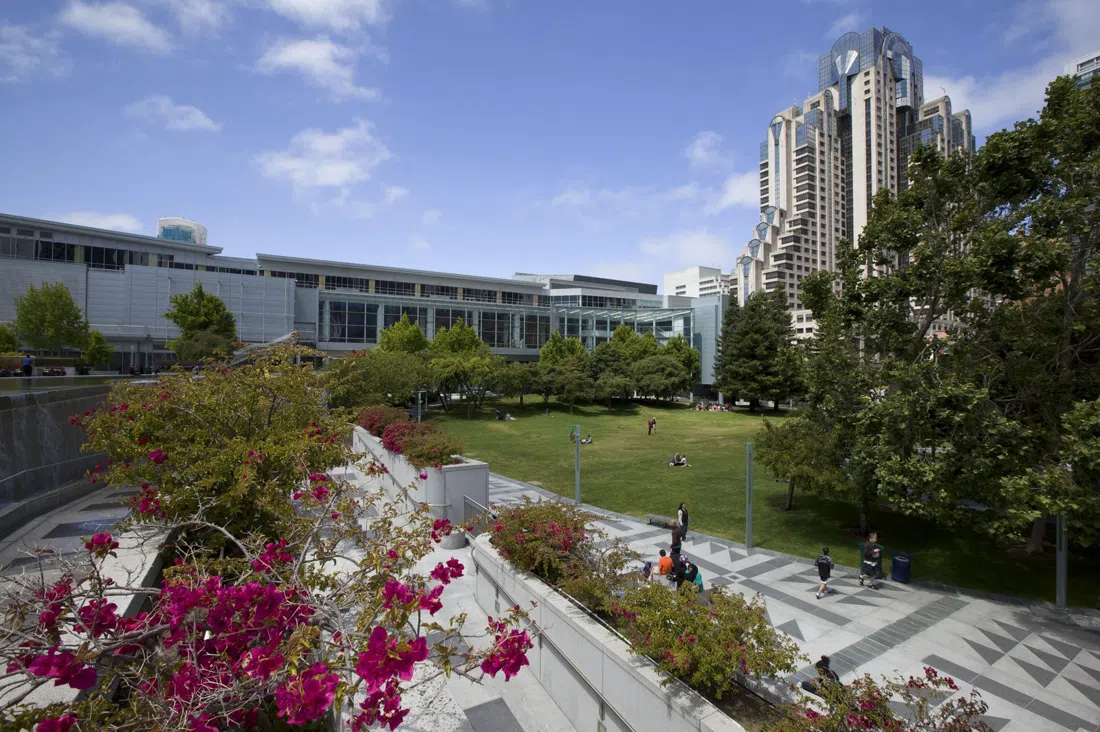
Directly outside, Yerba Buena Gardens functions as SOMA's actual green heart — free, open 6am to 10pm daily, no booking required regardless of group size. Locals treat it as the connective tissue between the neighbourhood's museums rather than a destination in its own right: pack a lunch, sit on the grass, and use it as a base to loop between SFMOMA, MoAD and YBCA without ever really leaving a five-minute radius. It's the one stop every itinerary through this neighbourhood ends up including, and for good reason — it's the only place in the immediate area where you can sit down for free.
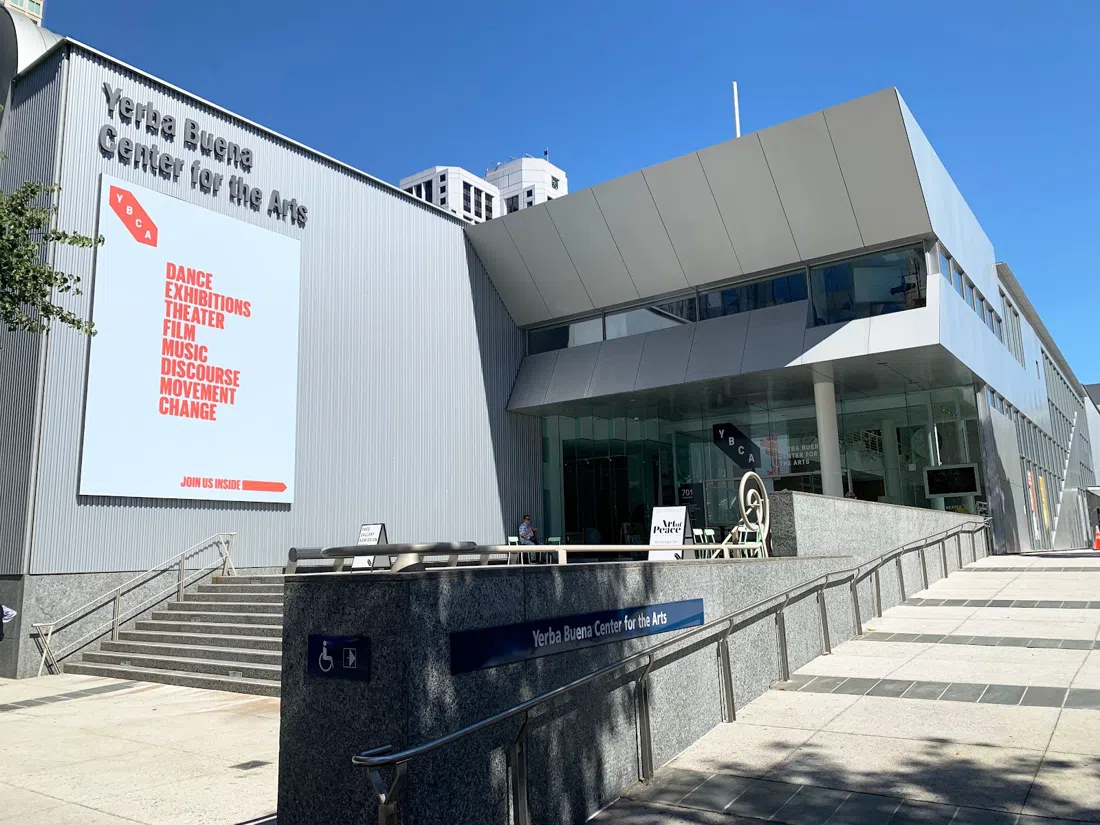
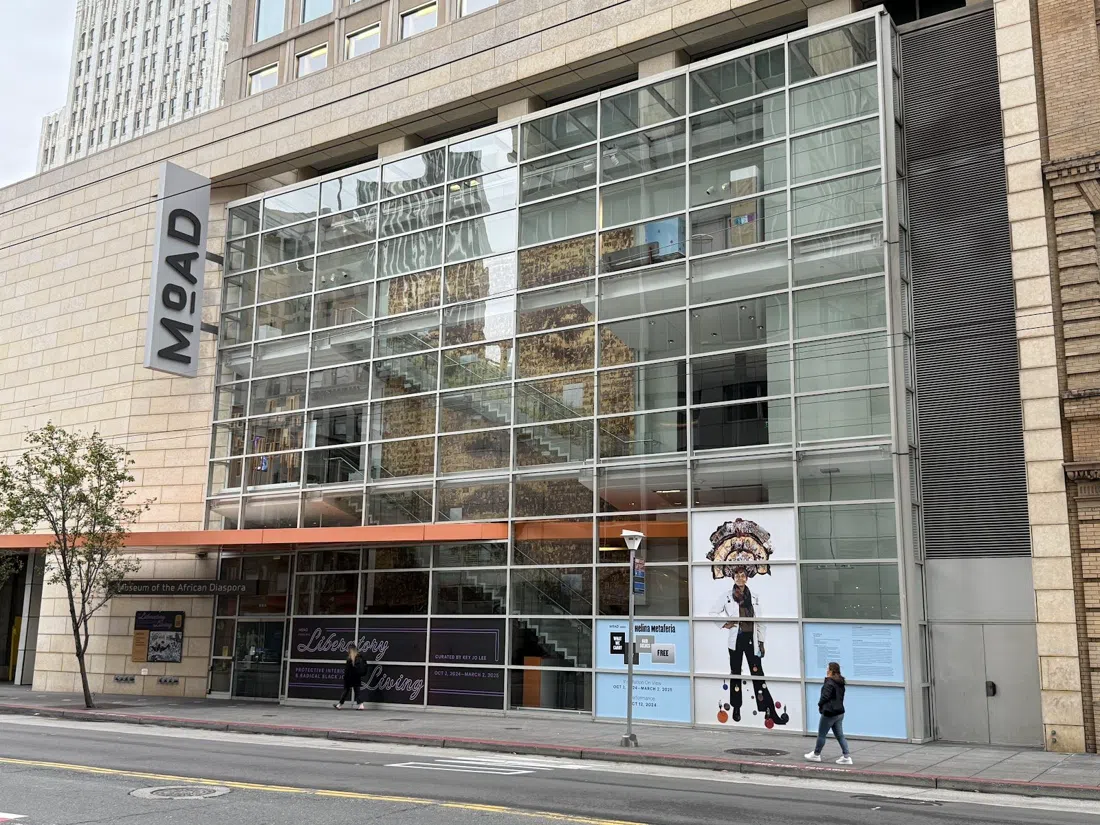
Two easy add-ons sit right off the gardens, and both are the kind of stop most visitors walk straight past. The Museum of the African Diaspora (MoAD) is tucked into the St. Regis building a few steps from SFMOMA — freshly renovated for its 20th anniversary across 2025 and 2026, and genuinely worth the half-hour most people don't give it. Admission is about $12, free on the first Wednesday of the month, and docent tours are bookable in advance for groups who want context rather than a self-guided wander through the galleries. Across the plaza, Yerba Buena Center for the Arts (YBCA) on Mission Street is the edgier, more rotating counterpart to SFMOMA's permanent-collection weight — this is where SOMA's working art crowd actually spends time, not just where tourists photograph the building. It's free every Wednesday, $10 general the rest of the week, $5 concession, and groups are welcome without much fuss at the door.
For the fuller run of what the city offers beyond this one district, the San Francisco guide is the place to start planning outward from here.
Down Toward the Water: The Ballpark Side
SOMA's eastern edge, toward the Bay, is a different register entirely — less gallery hush, more open sky and open water. Oracle Park, the Giants' waterfront ballpark, runs behind-the-scenes tours daily for groups, bookable through Giants Enterprises for roughly $25-30pp, and even off-season the walk around the water side of the stadium is worth the detour on a clear afternoon. It's one of the few genuinely free things to do in this stretch of the neighbourhood if you skip the tour and just walk the promenade.
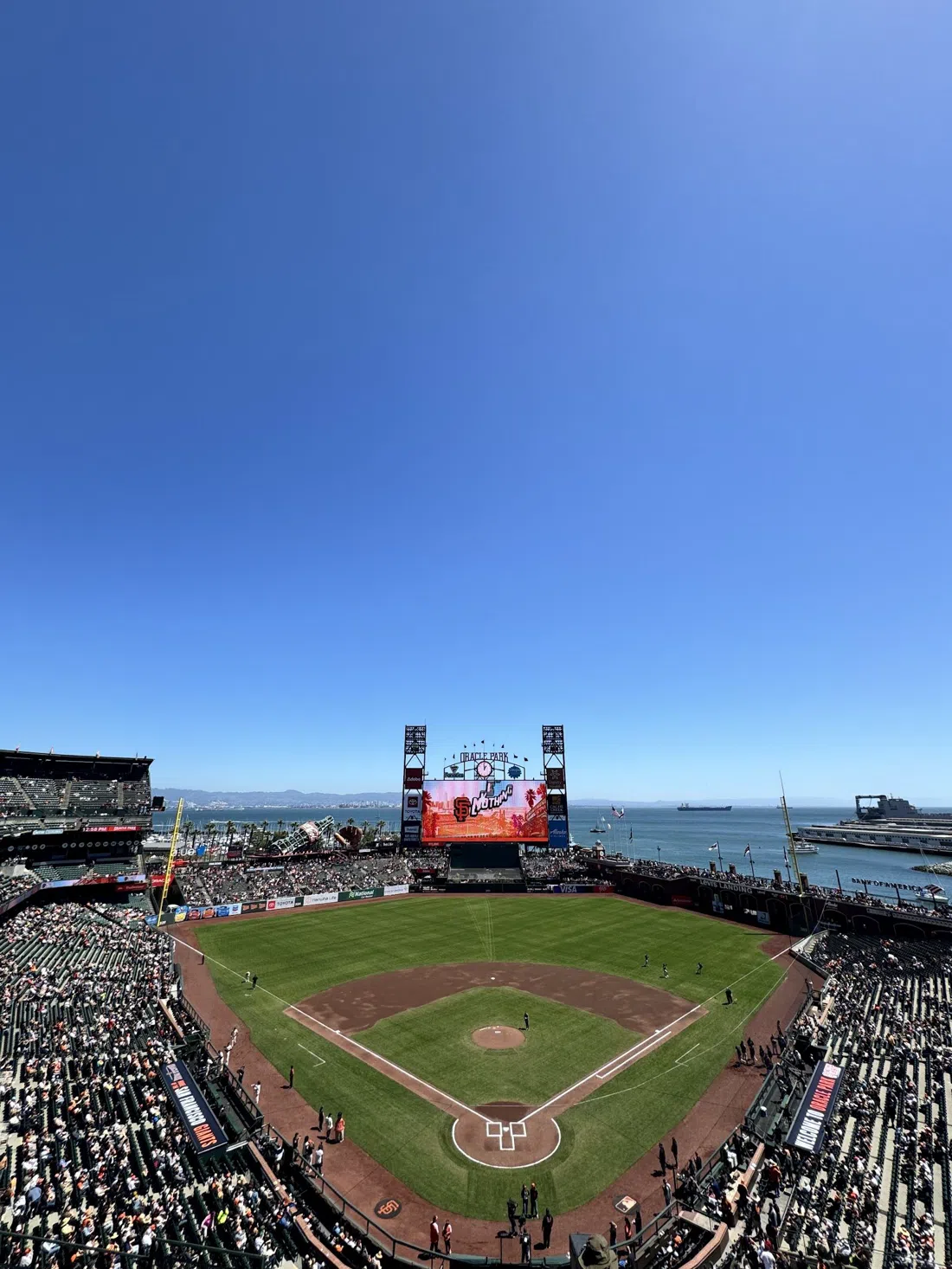
On game nights, though, this is where the neighbourhood's crowd logic flips entirely. The blocks around the park fill fast in the hour before first pitch, restaurant waits stretch, and rideshares get harder to flag. If you're not going to the game, it's worth planning your evening in a different part of SOMA until the crowd surge clears, then drifting back toward the water once the stadium empties out.
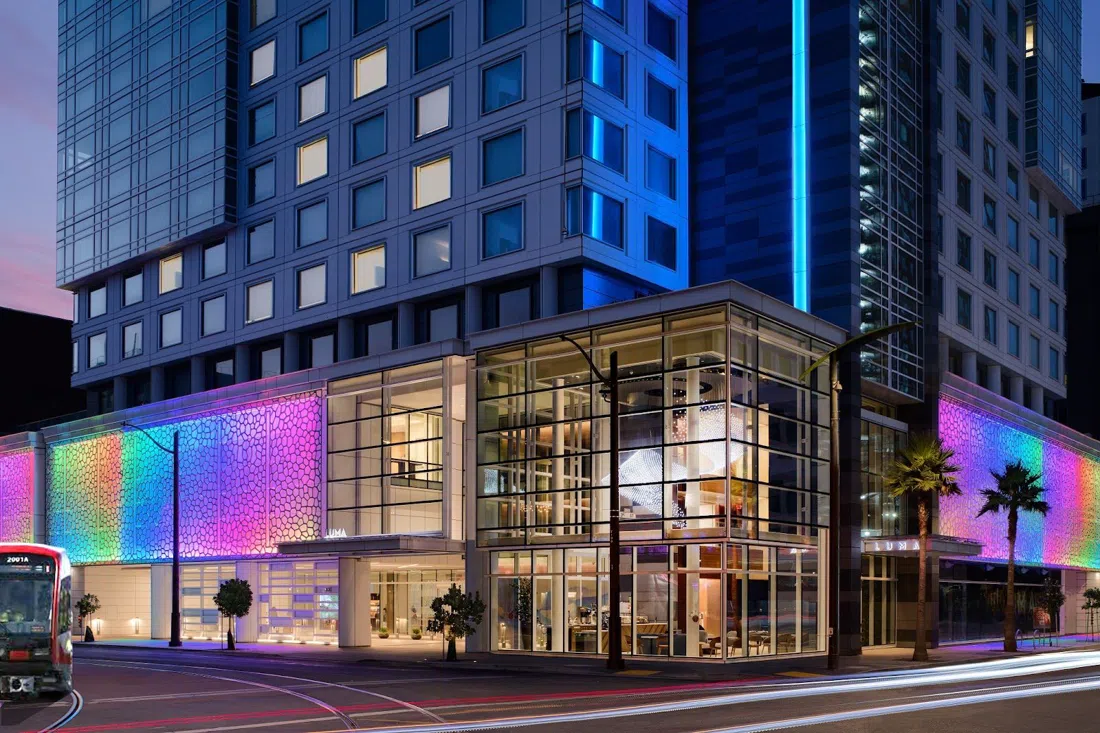
The best vantage on all of it, game night or not, is Cavaña, the rooftop bar at the LUMA Hotel near the ballpark. It has the best elevated view in the SOMA/South Beach stretch, DJs on weekend nights, and cocktails in the $18-20 range. Groups are welcome, but reserve ahead — especially for a game-night sunset, when the rest of the neighbourhood has had exactly the same idea and the roof fills early.
The Tasting Menu Block
If SOMA has a reputation beyond its museums, it's this: in the last two years the neighbourhood quietly became one of the most serious dining addresses in the country, and it happened almost entirely on a handful of blocks. Californios is the headline — in June 2026 it became the first Mexican restaurant in the world to hold three Michelin stars, and the tasting menu, around $375pp before wine, is now genuinely queue-worthy in a way few restaurants anywhere manage. It's small-groups-only by reservation, and you should be booking weeks out, not days, especially since the June 2026 announcement. Dinner runs Tuesday through Saturday, and this is not a room you walk into on a whim.
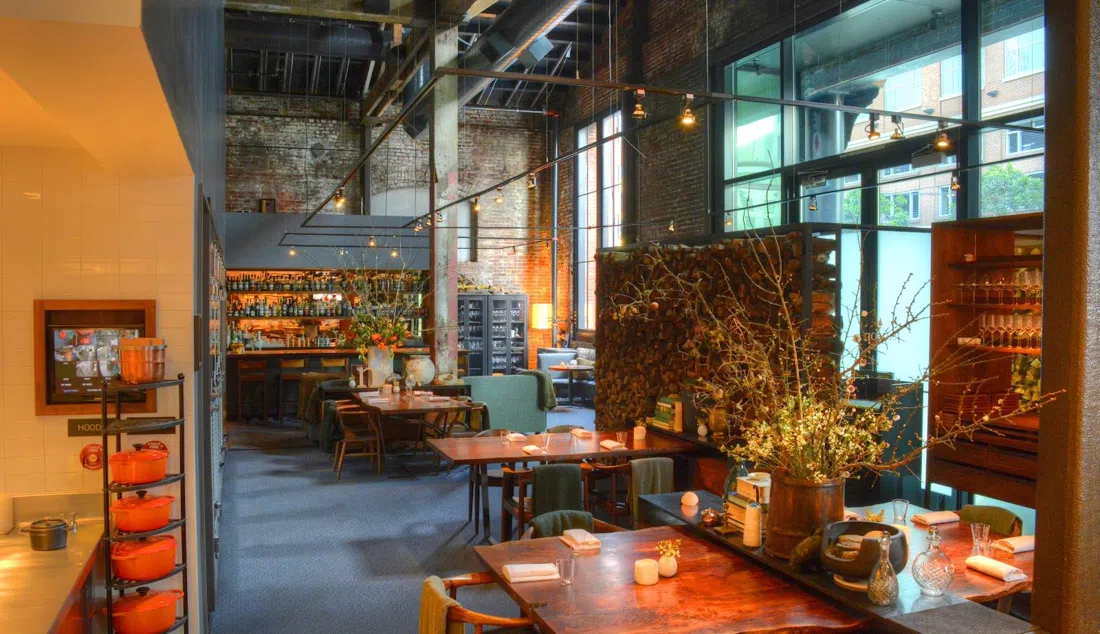
A few blocks over, Saison holds two Michelin stars and works from an entirely different premise — live-fire cooking built around a wagyu-heavy tasting menu, roughly $368pp before wine, with wood smoke woven through the whole evening rather than confined to one course. It's open Tuesday to Saturday, 5 to 9:30pm, and like Californios, this is a reserve-well-ahead, small-party kind of room rather than a walk-in option. Neither restaurant is built for large groups; if you're travelling with more than four, call ahead and ask directly rather than assuming the table will stretch.
For something more theatrical and considerably less expensive than either, Merchant Roots reopened in 2026 in a bigger warehouse space after a brief closure, and it remains SOMA's most performative tasting menu — genuinely unlike anything else in the city, closer to a piece of dinner theatre than a conventional service. Seatings run 5:30 and 8pm, Tuesday to Saturday, around $180pp, and groups are welcome, with a 12-seat speakeasy add-on, Bar Orso, tucked behind it for anyone who wants to keep the night going in the same building rather than moving on somewhere else.
An Honest, Unpretentious Lunch
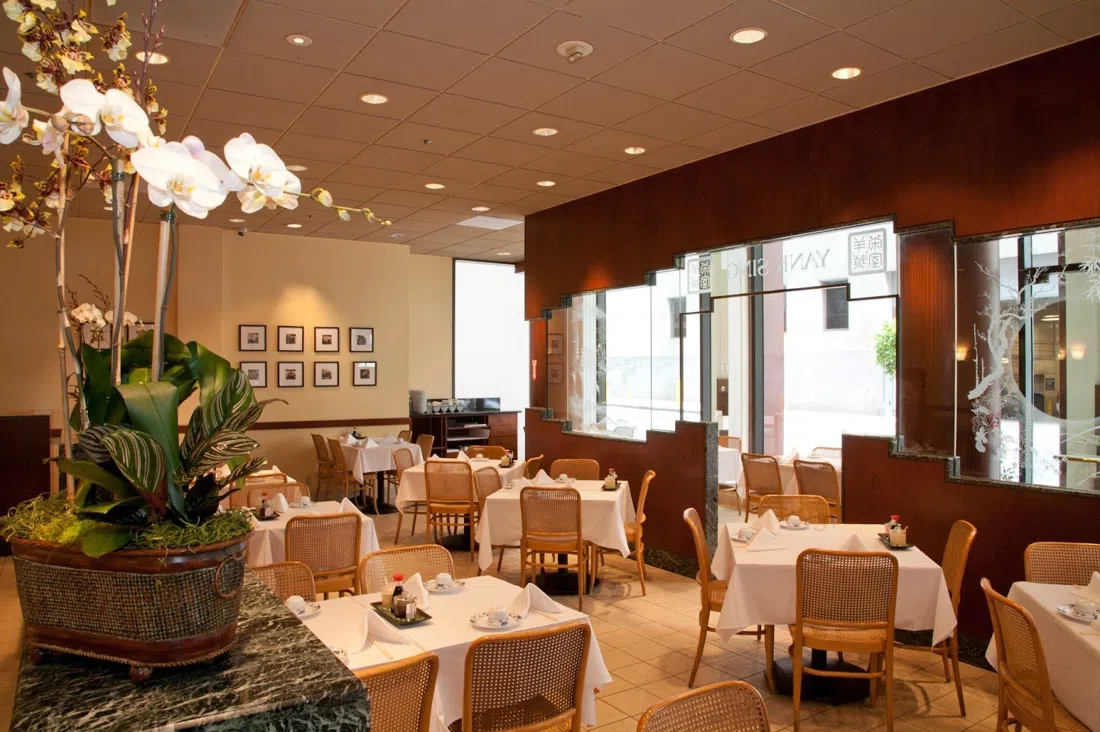
Against all that tasting-menu gravity, Yank Sing is SOMA's necessary counterweight — a dim sum institution running since 1958, with over 100 dishes off the cart on any given day, and none of the ceremony of the restaurants above. It's excellent for groups and large tables, no reservation needed for walk-in lunch service, and at $15-20pp it's the cheapest genuinely great meal in the neighbourhood by a wide margin. If you've booked Californios or Saison for dinner, this is the correct way to spend the afternoon before it — light enough not to compete, good enough that it doesn't feel like a compromise either.
Old Saloon to New Warehouse: SOMA After Dark
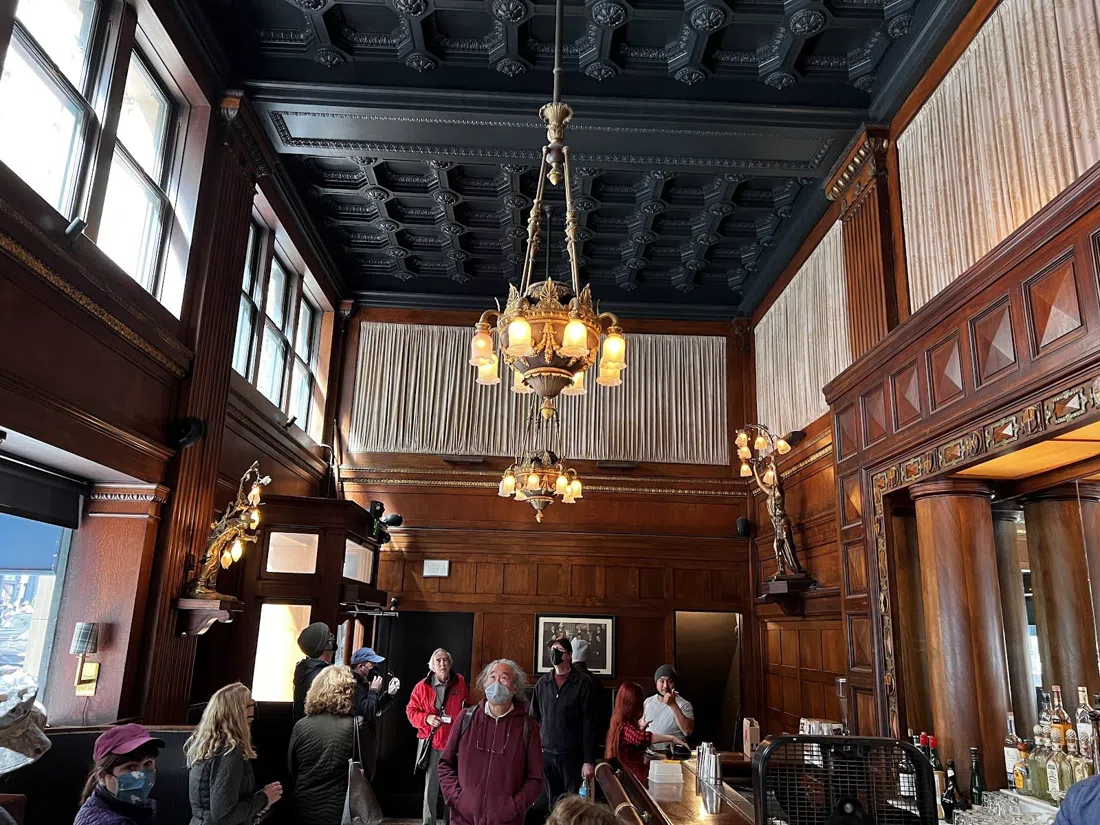
The neighbourhood's nightlife reads almost geologically, oldest layer first. House of Shields, a block off Market, is one of San Francisco's oldest surviving saloons — dark wood, brass fittings, no reservations, walk straight in, and it takes groups especially well early in the evening before the after-work crowd thins out. Cocktails run $16-18. This is the old-school anchor before the neighbourhood turns modern and warehouse-scale, and it's the one nightlife stop on this list that works just as well for a couple as it does for a group of eight.
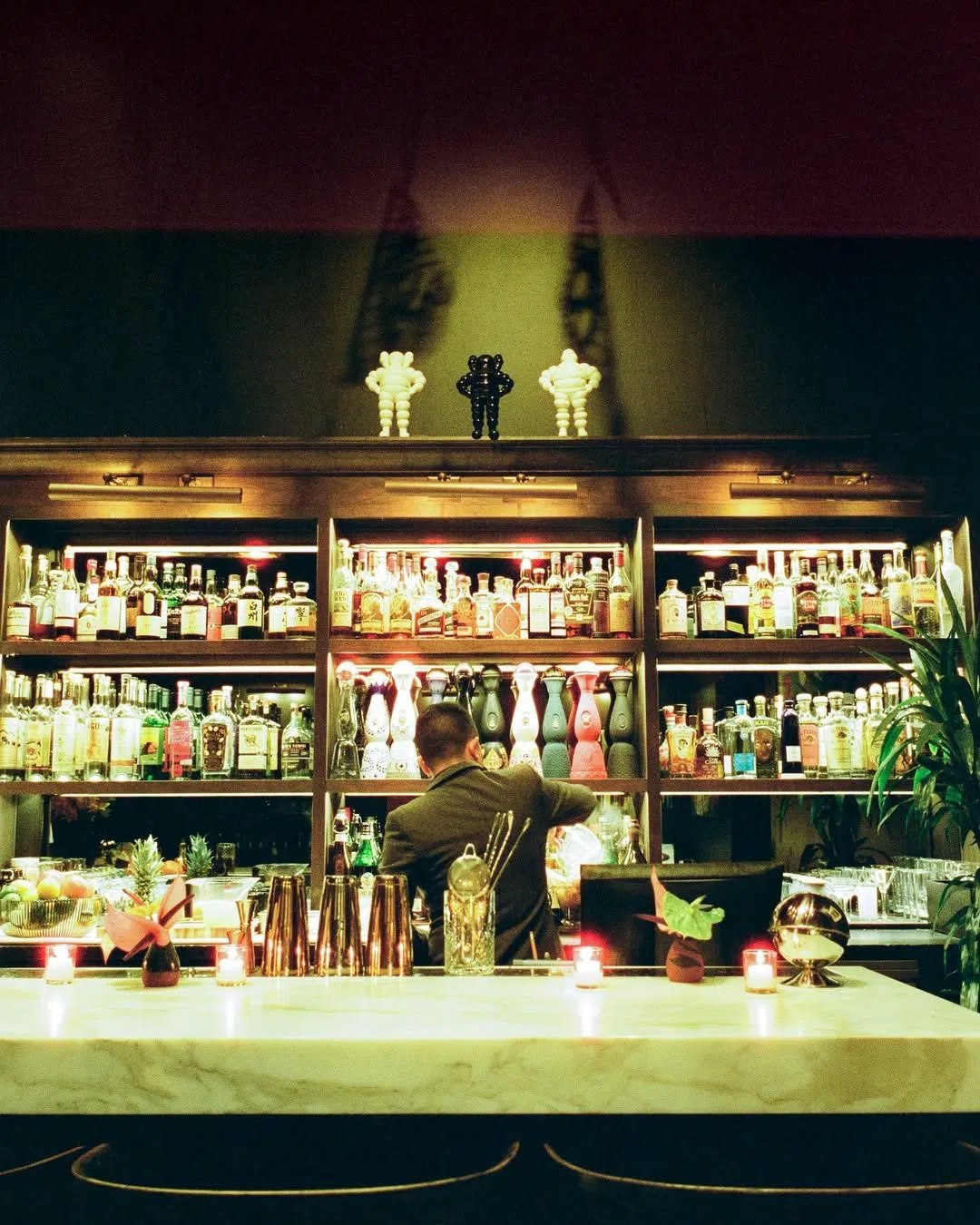
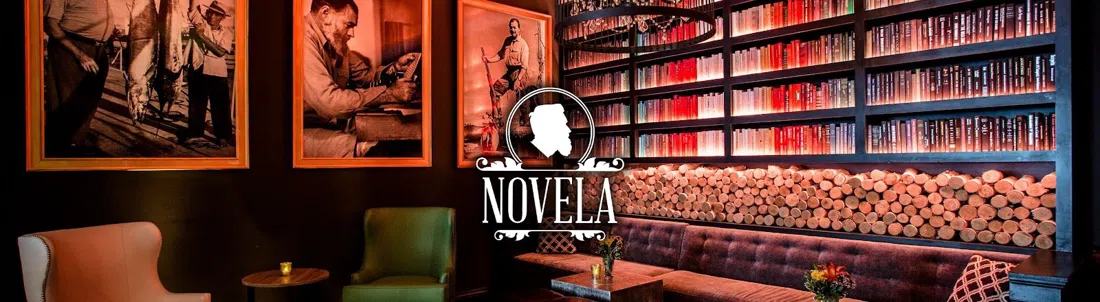
From there, Novela is the literary-themed speakeasy that gives SOMA its calmer, cocktail-forward middle register — reservations recommended Thursday through Saturday, groups and corporate bookings taken, drinks again around $16-18. It's a deliberate, unhurried kind of room, better suited to conversation than to a big night out, and it's the sensible stop before things get louder rather than a substitute for them.
And louder, in this neighbourhood, means Folsom Street, SOMA's leather and nightlife corridor. SF Eagle is the district's official landmark bar, not a novelty stop for tourists passing through — this is the actual DNA of Folsom Street nightlife, going back decades, and it's treated with real reverence by the community it serves. It's a beer-and-well-drinks kind of place in the cheaper price bracket, with modest cover charges for flagship nights like Filth on the first Saturday of the month and the Sunday Beer Bust. Groups are welcome, and the door is casual outside of those specific nights — but go in respecting that you're a guest in a space with real history, not a themed bar.
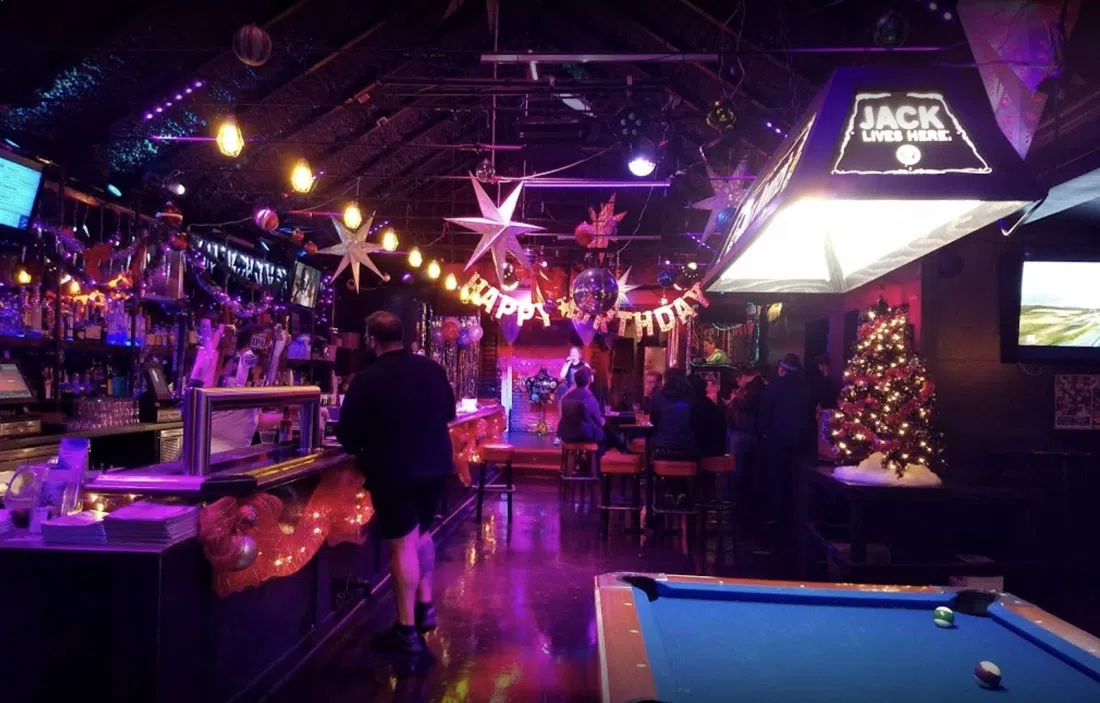
The night's natural endpoint is The EndUp, running continuously since 1973 and still the city's defining afterhours club. Saturday's session runs an almost absurd 10am to 5am — this is the literal fog-on-Folsom-at-3am San Francisco experience, cover around $20-30, groups welcome but expect line management and a real wait on peak nights. It isn't a couples' quiet-corner bar; go in expecting a crowd, a bass-heavy room, and a door policy that tightens the later it gets rather than loosens.
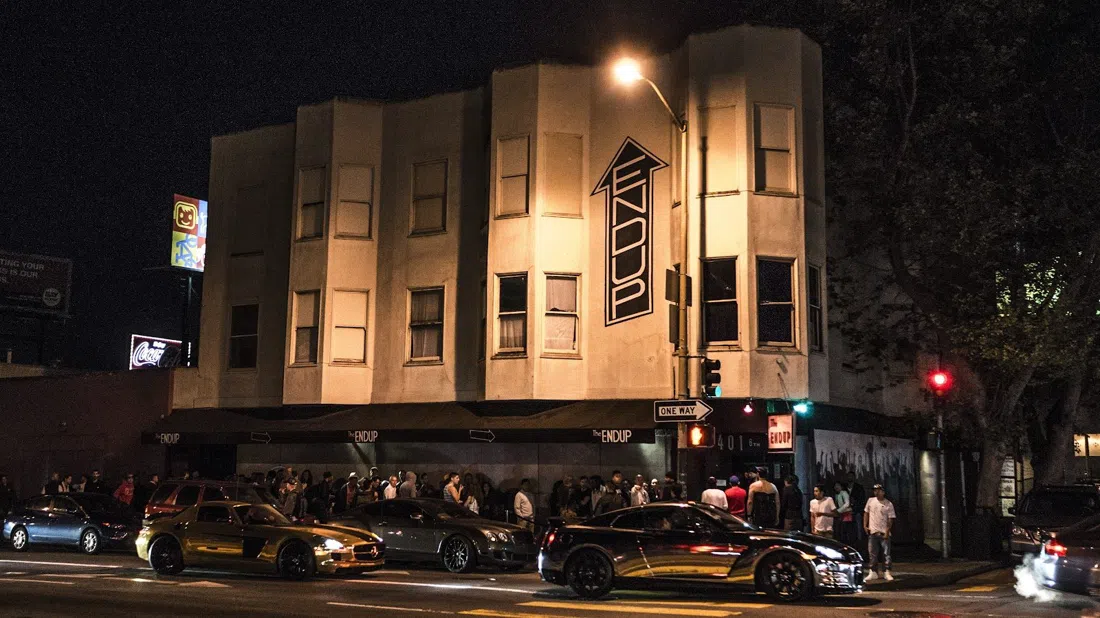
Worth being straightforward about the door realities across this whole stretch, because it changes how you plan the evening: House of Shields and Novela are easy, low-friction entries for any group size, and both work fine for two people who just want a good drink. SF Eagle and The EndUp are genuine nightlife institutions with real doors and real lines on their peak nights — turn up prepared to queue, bring ID, and don't expect an intimate, conversational evening at either much past midnight.
Practical Notes
Transport. SOMA sits on top of the Muni Metro and BART's Powell and Montgomery/Civic Center corridor, so most of this guide is walkable once you're off a train — SFMOMA, Yerba Buena Gardens, MoAD and YBCA are all within a few minutes of each other on foot. Oracle Park and Cavaña are a further walk east toward the water, or a short ride on the Muni Metro's T-Third line. Rideshares are easy to find throughout the neighbourhood, though on Giants game nights and Folsom Street event weekends, expect surge pricing and it's worth arranging the return trip before you need it rather than after.
Cash. Everything listed here takes cards without issue; cash is only genuinely useful for cover charges at SF Eagle and The EndUp, where a line moves faster if you've got exact bills ready rather than fumbling with a card reader at the door.
Timing. The museum block clusters in the day — SFMOMA, MoAD and YBCA all close by early evening except SFMOMA's Thursday late opening to 8pm. Dinner reservations at Californios and Saison need to be made weeks in advance, especially since Californios' third-star announcement in June 2026; Merchant Roots and Yank Sing are far more forgiving on short notice. Nightlife on Folsom Street doesn't really get going until 10pm and runs well past close, so don't expect much street life on those blocks earlier in the evening — that's normal, not a sign you're in the wrong place.
Budget. A day here can run from genuinely free — Yerba Buena Gardens, YBCA on a Wednesday — to several hundred dollars a head at Californios. A realistic middle-ground day, SFMOMA in the morning, lunch at Yank Sing, drinks at Novela in the evening, lands comfortably in the $60-80pp range before dinner is even factored in.
If you're basing yourself in the neighbourhood for any of this, start with a San Francisco hotel search rather than booking blind — SOMA's hotel stock ranges from convention-hall towers to smaller boutique options like the LUMA, and proximity to the museum block versus Folsom Street makes a real difference to how late you'll want to be walking home.